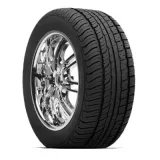
Tests – · none yet Owners 20 · 4 reviews
Head-to-head
Updated
Firestone Firehawk GT vs Firestone Firehawk Indy 500 — Compared
Relative Score (0–100): 60% professional tests, 40% owner reviews.
Firehawk Indy 500 is ahead, 66–37
Add your size for an exact match
/R
Both Amazon links then search this exact size.
TireWheelGuide may earn a commission from purchases made through these links.
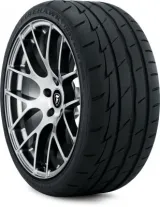
Tests – · 1 test Owners 63 · 1,457 reviews
“Quote: Originally Posted by AUaviator I'm having trouble finding these tires in stock. Rears are back ordered and only 1 front available and it's on tire rack. 22545/17 255/40/17. www.simpletire.com looks to have them instock with free shipping and a 60 dollar rebate. A little hard to find but search for them individually by size.”
Category by category
Relative Score per category, 0–100. Open “Why this score” for the tests and owner ratings behind it.
-
40
Dry
Firehawk Indy 500 +3373Why this score
Source Firehawk GT Firehawk Indy 500 Reviews found online 25 77 -
34
Wet
Firehawk Indy 500 +3367Why this score
Source Firehawk GT Firehawk Indy 500 Reviews found online 22 66 -
41
Snow
Firehawk Indy 500 +445Why this score
Source Firehawk GT Firehawk Indy 500 Reviews found online 21 28 -
41
Comfort
Firehawk Indy 500 +2667Why this score
Source Firehawk GT Firehawk Indy 500 Reviews found online 14 65 -
44
Noise
Firehawk Indy 500 +2367Why this score
Source Firehawk GT Firehawk Indy 500 Reviews found online 10 66 -
36
Treadwear
Firehawk Indy 500 +3167Why this score
Source Firehawk GT Firehawk Indy 500 Professional tests (TWG score) – 70 Reviews found online 16 62 -
27
Handling
Firehawk Indy 500 +4471Why this score
Source Firehawk GT Firehawk Indy 500 Reviews found online 27 71
Scores at a glance
| Category | Firestone Firehawk GT | Firestone Firehawk Indy 500 |
|---|---|---|
| Relative Score | 37 | 66 |
| Dry | 40 | 73 |
| Wet | 34 | 67 |
| Snow | 41 | 45 |
| Comfort | 41 | 67 |
| Noise | 44 | 67 |
| Treadwear | 36 | 67 |
| Handling | 27 | 71 |
Higher is better. The Relative Score follows your weights below; category scores do not change.
Weight the categories that matter to you
Wet grip and treadwear start at “Important” — the two things buyers rank highest. Move the sliders and the scores update instantly.
Important
NoneLessNeutralMoreMost
Important
NoneLessNeutralMoreMost
Neutral
NoneLessNeutralMoreMost
Less important
NoneLessNeutralMoreMost
Less important
NoneLessNeutralMoreMost
Important
NoneLessNeutralMoreMost
Neutral
NoneLessNeutralMoreMost
Recomputed
Headline score
37
/ 100
Firehawk GT
66
/ 100
Firehawk Indy 500
Pros, cons & observations
Themes extracted from owner reviews found online — not the opinion of TireWheelGuide.
Tire A Firehawk GT
Not enough owner reviews yet to extract themes.
Tire B Firehawk Indy 500
Pros
- Exceptional value and affordability compared to premium tier brands like Michelin
- Outstanding dry grip and confident, responsive cornering capabilities
- Surprisingly quiet and comfortable ride quality on the highway
Cons
- Accelerated tread wear and shorter overall lifespan
- Poor performance and loss of traction in cold temperatures (below 40°F)
- Vulnerability to hydroplaning or reduced traction in heavy standing water
What real owners are saying
From Reddit, forums and review threads. Not part of our score
Tire A
Firestone Firehawk GT
We haven't collected enough community discussion about this tire yet.
Tire B
Positive
Firestone Firehawk Indy 500
Community sentiment toward the Firestone Firehawk Indy 500 is overwhelmingly positive, with drivers frequently praising it as an exceptional value and budget-friendly alternative to premium summer tires. Owners report strong dry grip, solid wet-weather traction, good comfort, and predictable handling, though some note reduced performance in cold temperatures, softer sidewalls, and a tendency to get greasy during aggressive track sessions. Interest is also growing around the newer V2 version and its updated compound and tread design.
grassrootsmotorsports.com
“I need a 224/45/15 I run these on my S2000 wheelset for driving around town and they are great. I also have used them for plenty of track days. They get a little greasy towards the end of sessions but have never let me down.”
s197forum.com
·2018-03-14
“I have them on my 14 GT. 255 front/285 rear. They have roughly 5k on them and have worn well. Wheel spin has to be intentionally induced now. No more surprises. Highly recommend.”
r/Mustang
·7 upvotes ·2025-02-13
“Will I regret buying Firestone Firehawk Indy 500s? I have a stock '21 GT Premium convertible with the black appearance package. It came with the upgraded Pirelli P Zero 255/40-19 tires, but with 35,000 miles, they are really worn, and I need new tires. I live in North Florida. We don't have a lot of cold weather (I missed the snow last month), but I do get a lot of rain. I don't track the car, and mostly drive on country roads and the interstate. The Pirelli's have treated me well as far as traction, dry and wet. I like the aggressive look of the Firehawks, but I am concerned about wet weather traction. Will the Firehawks be at least comparable to the Pirelli's for wet weather and general handling? If not, it sounds like the Michelin Pilot Sport A/S 4 is the way to go. Also, the car is all black, with black rims, and the tires look wimpy. I'm not up for new rims this go-round, and I won't lower it because I like the clearance for potholes, etc., that I see a lot of in my area. I'm hoping the tires will help the look a little bit. Read more”
Top themes
#value and pricing#dry grip and traction#wet weather handling#track and autocross use#cold temperature limitations#ride comfort and road noise#Firehawk Indy 500 V2
Based on 146 community posts
Specs side by side
| Attribute | A · Firestone Firehawk GT | B · Firestone Firehawk Indy 500 |
|---|---|---|
| Category | — | Summer |
| Vehicle type | — | Passenger Car / Crossover |
| Sizes available | 2 | 47 |
| Rim diameters | 15″ – 20″ | 16″ – 20″ |
| Tread depth | 11/32″ | 9 - 10/32″ |
| UTQG | 460 A A | 340 A A |
| Treadwear warranty | 50,000 mi | — |
| Sidewall | Blackwall | Black Side Wall |
| Max pressure | 44 psi | 50 - 51 psi |
Which one should you actually buy?
37
/ 100
Firestone Firehawk GT
66
/ 100
Firestone Firehawk Indy 500
Winner: Firestone Firehawk Indy 500 — better handling, dry and wet. It leads or ties in every category we score.
Pick tire B
You enjoy sharp, responsive handling
Firestone Firehawk Indy 500 scores 71 vs 27 on handling.
Pick tire B
You want the most grip on dry roads
Firestone Firehawk Indy 500 scores 73 vs 40 on dry.
Pick tire B
Your priority is wet-weather safety
Firestone Firehawk Indy 500 scores 67 vs 34 on wet.
Pick tire B
You want the longest tread life
Firestone Firehawk Indy 500 scores 67 vs 36 on treadwear.
Tire A · Firestone Firehawk GT
Tire B · Firestone Firehawk Indy 500
TireWheelGuide may earn a commission from purchases made through these links.
How do we compare tires?
Every category score blends two independent signals. 60% comes from professional tire tests (braking distances, lap times, noise measurements), each result compared with every other tire in the same test and newer tests counting more. 40% comes from owner reviews found online, adjusted for how generously each site rates. Both use one scale: the average tested tire gets 70, the best 100. When a tire has only one of the two, the missing half is estimated from the other and the score stays closer to average; with no road test and fewer than five owner reviews it gets no score yet.
Community buzz from Reddit and forums is shown for context only — it never changes the score.