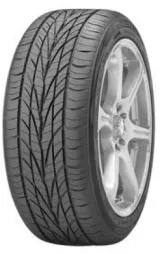
Tests – · none yet Owners 61 · 12 reviews
Head-to-head
Updated
Hankook Ventus V2 Concept vs Michelin CrossClimate+ — Compared
Relative Score (0–100): 60% professional tests, 40% owner reviews.
CrossClimate+ is ahead, 78–63
Add your size for an exact match
/R
Both Amazon links then search this exact size.
TireWheelGuide may earn a commission from purchases made through these links.
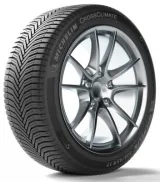
Tests 79 · 13 tests Owners 75 · 119 reviews
Category by category
Relative Score per category, 0–100. Open “Why this score” for the tests and owner ratings behind it.
-
67
Dry
CrossClimate+ +1986Why this score
Source Ventus V2 Concept CrossClimate+ Professional tests (TWG score) – 92 Reviews found online 66 76 -
68
Wet
CrossClimate+ +1280Why this score
Source Ventus V2 Concept CrossClimate+ Professional tests (TWG score) – 80 Reviews found online 68 79 -
47
Snow
CrossClimate+ +2168Why this score
Source Ventus V2 Concept CrossClimate+ Professional tests (TWG score) – 65 Reviews found online 31 72 -
66
Comfort
CrossClimate+ +773Why this score
Source Ventus V2 Concept CrossClimate+ Professional tests (TWG score) – 71 Reviews found online 63 76 -
–
Noise
No comparison67Why this score
Source Ventus V2 Concept CrossClimate+ Professional tests (TWG score) – 63 Reviews found online – 72 -
63
Treadwear
CrossClimate+ +1578Why this score
Source Ventus V2 Concept CrossClimate+ Professional tests (TWG score) – 80 Reviews found online 62 75 -
65
Handling
CrossClimate+ +873Why this score
Source Ventus V2 Concept CrossClimate+ Reviews found online 65 73
Scores at a glance
| Category | Hankook Ventus V2 Concept | Michelin CrossClimate+ |
|---|---|---|
| Relative Score | 63 | 78 |
| Dry | 67 | 86 |
| Wet | 68 | 80 |
| Snow | 47 | 68 |
| Comfort | 66 | 73 |
| Noise | – | 67 |
| Treadwear | 63 | 78 |
| Handling | 65 | 73 |
Higher is better. The Relative Score follows your weights below; category scores do not change.
Weight the categories that matter to you
Wet grip and treadwear start at “Important” — the two things buyers rank highest. Move the sliders and the scores update instantly.
Important
NoneLessNeutralMoreMost
Important
NoneLessNeutralMoreMost
Neutral
NoneLessNeutralMoreMost
Less important
NoneLessNeutralMoreMost
Less important
NoneLessNeutralMoreMost
Neither tire has a score here yet, so this weight changes nothing.
Important
NoneLessNeutralMoreMost
Neutral
NoneLessNeutralMoreMost
Recomputed
Headline score
63
/ 100
Ventus V2 Concept
78
/ 100
CrossClimate+
Only categories both tires have data for count toward the headline score.
Pros, cons & observations
Themes extracted from owner reviews found online — not the opinion of TireWheelGuide.
Tire A Ventus V2 Concept
Pros
- Excellent handling and cornering performance on dry surfaces
- High value for money and affordability for budget-conscious buyers
- Impressive tread life and longevity, with some users reporting up to 70,000 km of use
Cons
- Becomes significantly noisy as the tire ages and wears
- Poor grip in snow and ice conditions
- Durability issues including sidewall wear and vulnerability to curb damage
Tire B CrossClimate+
Pros
- Excellent traction and confidence in light to moderate snow and ice.
- Strong wet and dry road handling that rivals dedicated summer tires.
- Impressive tread longevity and durability over high mileage.
Cons
- Performance in wet conditions can diminish significantly as the tire wears.
- Increased road noise reported by some users compared to dedicated summer tires.
- Occasional reports of a harsh or 'bouncy' ride on certain vehicle suspensions.
Specs side by side
| Attribute | A · Hankook Ventus V2 Concept | B · Michelin CrossClimate+ |
|---|---|---|
| Category | All Season | All Season |
| Vehicle type | Passenger Car / Crossover | Passenger Car / Crossover |
| Sizes available | — | 63 |
| Rim diameters | — | 13″ – 19″ |
Which one should you actually buy?
63
/ 100
Hankook Ventus V2 Concept
78
/ 100
Michelin CrossClimate+
Winner: Michelin CrossClimate+ — better snow, dry and treadwear. It leads or ties in every category we score.
Pick tire B
You drive through snowy winters
Michelin CrossClimate+ scores 68 vs 47 on snow.
Pick tire B
You want the most grip on dry roads
Michelin CrossClimate+ scores 86 vs 67 on dry.
Pick tire B
You want the longest tread life
Michelin CrossClimate+ scores 78 vs 63 on treadwear.
Pick tire B
Your priority is wet-weather safety
Michelin CrossClimate+ scores 80 vs 68 on wet.
Tire A · Hankook Ventus V2 Concept
Tire B · Michelin CrossClimate+
TireWheelGuide may earn a commission from purchases made through these links.
How do we compare tires?
Every category score blends two independent signals. 60% comes from professional tire tests (braking distances, lap times, noise measurements), each result compared with every other tire in the same test and newer tests counting more. 40% comes from owner reviews found online, adjusted for how generously each site rates. Both use one scale: the average tested tire gets 70, the best 100. When a tire has only one of the two, the missing half is estimated from the other and the score stays closer to average; with no road test and fewer than five owner reviews it gets no score yet.
Community buzz from Reddit and forums is shown for context only — it never changes the score.