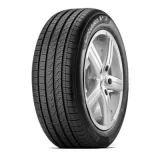
Tests – · none yet Owners 55 · 1 review
Head-to-head
Updated
Pirelli Cinturato P7 All Season Run Flat vs Bridgestone DriveGuard — Compared
Relative Score (0–100): 60% professional tests, 40% owner reviews.
Add your size for an exact match
/R
Both Amazon links then search this exact size.
TireWheelGuide may earn a commission from purchases made through these links.
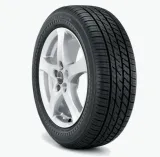
Tests 74 · 1 test Owners 58 · 46 reviews
Category by category
Relative Score per category, 0–100. Open “Why this score” for the tests and owner ratings behind it.
-
–
Dry
No comparison68Why this score
Source Cinturato P7 All Season Run Flat DriveGuard Professional tests (TWG score) – 72 Reviews found online – 63 -
–
Wet
No comparison73Why this score
Source Cinturato P7 All Season Run Flat DriveGuard Professional tests (TWG score) – 75 Reviews found online – 70 -
–
Snow
No comparison58Why this score
Source Cinturato P7 All Season Run Flat DriveGuard Reviews found online – 51 -
–
Comfort
No comparison63Why this score
Source Cinturato P7 All Season Run Flat DriveGuard Reviews found online – 57 -
–
Noise
No comparison65Why this score
Source Cinturato P7 All Season Run Flat DriveGuard Reviews found online – 63 -
–
Treadwear
No comparison51Why this score
Source Cinturato P7 All Season Run Flat DriveGuard Reviews found online – 41 -
–
Handling
No comparison62Why this score
Source Cinturato P7 All Season Run Flat DriveGuard Reviews found online – 62
Scores at a glance
| Category | Pirelli Cinturato P7 All Season Run Flat | Bridgestone DriveGuard |
|---|---|---|
| Relative Score | – | 63 |
| Dry | – | 68 |
| Wet | – | 73 |
| Snow | – | 58 |
| Comfort | – | 63 |
| Noise | – | 65 |
| Treadwear | – | 51 |
| Handling | – | 62 |
Higher is better. The Relative Score follows your weights below; category scores do not change.
Weight the categories that matter to you
Wet grip and treadwear start at “Important” — the two things buyers rank highest. Move the sliders and the scores update instantly.
Important
NoneLessNeutralMoreMost
Important
NoneLessNeutralMoreMost
Neutral
NoneLessNeutralMoreMost
Less important
NoneLessNeutralMoreMost
Less important
NoneLessNeutralMoreMost
Important
NoneLessNeutralMoreMost
Neutral
NoneLessNeutralMoreMost
Recomputed
Headline score
–
/ 100
Cinturato P7 All Season Run Flat
63
/ 100
DriveGuard
Only categories both tires have data for count toward the headline score.
Pros, cons & observations
Themes extracted from owner reviews found online — not the opinion of TireWheelGuide.
Tire A Cinturato P7 All Season Run Flat
Not enough owner reviews yet to extract themes.
Tire B DriveGuard
Pros
- Improved ride comfort and noise reduction compared to standard or OEM run-flat tires
- Strong dry and wet grip with confident handling
- Run-flat safety technology providing peace of mind against sudden punctures
Cons
- Extremely fast tread wear, with many users reporting bald tires or legal-limit wear within 8,000 to 13,000 miles
- Poor winter traction, performing poorly on ice and severe snow
- Developing loud road noise, hums, or low-frequency harmonics over time as they wear
Specs side by side
| Attribute | A · Pirelli Cinturato P7 All Season Run Flat | B · Bridgestone DriveGuard |
|---|---|---|
| Category | — | Summer |
| Vehicle type | Passenger Car / Crossover | Passenger Car / Crossover |
| Sizes available | — | 14 |
| Rim diameters | — | 15″ – 18″ |
| Tread depth | — | 9/32″ |
| UTQG | — | 640 A A |
| Sidewall | — | Blackwall |
| Max pressure | — | 51 psi |
Which one should you actually buy?
–
/ 100
Pirelli Cinturato P7 All Season Run Flat
63
/ 100
Bridgestone DriveGuard
Only Bridgestone DriveGuard has enough test and review data for a Relative Score, so there is no head-to-head winner yet.
Tire A · Pirelli Cinturato P7 All Season Run Flat
Tire B · Bridgestone DriveGuard
TireWheelGuide may earn a commission from purchases made through these links.
How do we compare tires?
Every category score blends two independent signals. 60% comes from professional tire tests (braking distances, lap times, noise measurements), each result compared with every other tire in the same test and newer tests counting more. 40% comes from owner reviews found online, adjusted for how generously each site rates. Both use one scale: the average tested tire gets 70, the best 100. When a tire has only one of the two, the missing half is estimated from the other and the score stays closer to average; with no road test and fewer than five owner reviews it gets no score yet.
Community buzz from Reddit and forums is shown for context only — it never changes the score.