Tests – · none yet Owners 45 · 10 reviews
Head-to-head
Updated
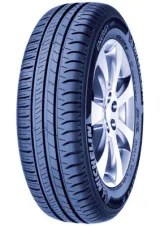
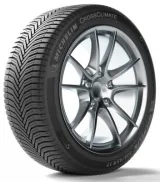
Michelin Energy Saver A/S vs Michelin CrossClimate+ — Compared
Relative Score (0–100): the weighted average of the categories below, each 60% road tests and 40% owner reviews (comfort 40/60). Based on 0 + 13 road tests and 10 + 119 owner reviews. How we score
CrossClimate+ is ahead, 80–52
Add your size for an exact match
/R
Both Amazon links then search this exact size.
TireWheelGuide may earn a commission from purchases made through these links.
Tests 81 · 13 tests Owners 78 · 119 reviews
Best test result: #1 of 15 in 2019 Summer and All Season Tyre Test (dry handling)
Category by category
Relative Score per category, 0–100. Open “Why this score” for the tests and owner ratings behind it.
-
53
Dry
CrossClimate+ +3487Why this score
Source Energy Saver A/S CrossClimate+ Professional tests (TWG score) · – / 13 tests ≈ 58 (est.) 94 Reviews found online 45 78 Energy Saver A/S: 60% × 58.2 (est.) + 40% × 44.5 = 53
CrossClimate+: 60% × 93.7 + 40% × 78 = 87
No road tests of dry for Energy Saver A/S. The test half is estimated from the owner ratings, as far as owners and testers agree (correlation 0.42).
-
51
Wet
CrossClimate+ +3081Why this score
Source Energy Saver A/S CrossClimate+ Professional tests (TWG score) · – / 13 tests ≈ 56 (est.) 81 Reviews found online 44 81 Energy Saver A/S: 60% × 55.9 (est.) + 40% × 43.8 = 51
CrossClimate+: 60% × 80.9 + 40% × 81.3 = 81
No road tests of wet for Energy Saver A/S. The test half is estimated from the owner ratings, as far as owners and testers agree (correlation 0.55).
-
54
Snow
CrossClimate+ +1569Why this score
Source Energy Saver A/S CrossClimate+ Professional tests (TWG score) · – / 9 tests ≈ 61 (est.) 65 Reviews found online 44 73 Energy Saver A/S: 60% × 60.9 (est.) + 40% × 44.3 = 54
CrossClimate+: 60% × 65.5 + 40% × 73.2 = 69
No road tests of snow for Energy Saver A/S. The test half is estimated from the owner ratings, as far as owners and testers agree (correlation 0.37).
-
53
Comfort
CrossClimate+ +2275Why this score
Source Energy Saver A/S CrossClimate+ Professional tests (TWG score) · – / 1 tests ≈ 65 (est.) 71 Reviews found online 46 78 Energy Saver A/S: 40% × 64.9 (est.) + 60% × 45.7 = 53
CrossClimate+: 40% × 70.9 + 60% × 77.6 = 75
No road tests of comfort for Energy Saver A/S. The test half is the tested tires’ average (69): owners’ comfort ratings barely follow the road tests.
-
–
Noise
No comparison67Why this score
Source Energy Saver A/S CrossClimate+ Professional tests (TWG score) · – / 9 tests – 68 Reviews found online – ≈ 67 (est.) CrossClimate+: 60% × 67.8 + 40% × 66.6 (est.) = 67
No owner ratings of noise for CrossClimate+. The owner half is the owners’ average (67): owners’ noise ratings barely follow the road tests, so the tests say nothing about how owners would rate it.
-
53
Treadwear
CrossClimate+ +2982Why this score
Source Energy Saver A/S CrossClimate+ Professional tests (TWG score) · – / 3 tests ≈ 59 (est.) 83 Reviews found online 45 80 Energy Saver A/S: 60% × 58.7 (est.) + 40% × 44.9 = 53
CrossClimate+: 60% × 83.1 + 40% × 79.5 = 82
No road tests of treadwear for Energy Saver A/S. The test half is estimated from the owner ratings, as far as owners and testers agree (correlation 0.35).
-
46
Handling (owners)
CrossClimate+ +2672Why this score
Source Energy Saver A/S CrossClimate+ Reviews found online 46 72 -
–
Efficiency
No comparison75Why this score
Source Energy Saver A/S CrossClimate+ Professional tests (TWG score) · – / 8 tests – 75
Scores at a glance
| Category | Michelin Energy Saver A/S | Michelin CrossClimate+ |
|---|---|---|
| Relative Score | 52 | 80 |
| Dry | 53 | 87 |
| Wet | 51 | 81 |
| Snow | 54 | 69 |
| Comfort | 53 | 75 |
| Noise | – | 67 |
| Treadwear | 53 | 82 |
| Handling (owners) | 46 | 72 |
| Efficiency | – | 75 |
Higher is better. The Relative Score follows your weights below; category scores do not change.
Weight the categories that matter to you
Wet grip starts at “Important”. Treadwear starts at “Neutral” here: road tests measured it for at most one of the two tires, so it rests on owner reviews. Move the sliders and the scores update instantly.
Important
NotLessNeutralImportantMost
Important
NotLessNeutralImportantMost
Neutral
NotLessNeutralImportantMost
Less important
NotLessNeutralImportantMost
Less important
NotLessNeutralImportantMost
Only one of the two tires has a score here, so this weight changes nothing in the head-to-head.
Neutral
NotLessNeutralImportantMost
Less important
NotLessNeutralImportantMost
Not important
NotLessNeutralImportantMost
Only one of the two tires has a score here, so this weight changes nothing in the head-to-head.
Recomputed
Headline score
52
/ 100
Energy Saver A/S
80
/ 100
CrossClimate+
Only categories both tires have data for count toward the headline score.
Pros, cons & observations
Themes extracted from owner reviews found online — not the opinion of TireWheelGuide.
Tire A Energy Saver A/S
Pros
- High fuel economy and rolling efficiency
- Potential for high mileage in specific driving conditions
- Reliable dry weather traction for some users
Cons
- Significant hydroplaning tendencies in wet conditions
- Inconsistent tread life, with reports of premature wear
- Excessive road noise and audible squealing during cornering
Tire B CrossClimate+
Pros
- Excellent traction and confidence in light to moderate snow and ice.
- Strong wet and dry road handling that rivals dedicated summer tires.
- Impressive tread longevity and durability over high mileage.
Cons
- Performance in wet conditions can diminish significantly as the tire wears.
- Increased road noise reported by some users compared to dedicated summer tires.
- Occasional reports of a harsh or 'bouncy' ride on certain vehicle suspensions.
Specs side by side
| Attribute | A · Michelin Energy Saver A/S | B · Michelin CrossClimate+ |
|---|---|---|
| Category | All Season | All Season |
| Vehicle type | Passenger Car / Crossover | Passenger Car / Crossover |
| Sizes available | — | 63 |
| Rim diameters | — | 13″ – 19″ |
Which one should you actually buy?
52
/ 100
Michelin Energy Saver A/S
80
/ 100
Michelin CrossClimate+
Winner: Michelin CrossClimate+ — better dry, wet and treadwear. It leads or ties in every category we score. Michelin Energy Saver A/S rests on little evidence so far (0 tests, 10 reviews), so read this result as provisional.
Pick tire B
You want the most grip on dry roads
Michelin CrossClimate+ scores 87 vs 53 on dry.
Pick tire B
Your priority is wet-weather safety
Michelin CrossClimate+ scores 81 vs 51 on wet.
Pick tire B
You want the longest tread life
Michelin CrossClimate+ scores 82 vs 53 on treadwear.
Pick tire B
You enjoy sharp, responsive handling
Michelin CrossClimate+ scores 72 vs 46 on handling.
Tire A · Michelin Energy Saver A/S
Tire B · Michelin CrossClimate+
TireWheelGuide may earn a commission from purchases made through these links.
Energy Saver A/S or CrossClimate+?
Which is better in the wet, Energy Saver A/S or CrossClimate+?
Michelin CrossClimate+, 81 vs 51 on our wet score.
Which grips better on dry roads, Energy Saver A/S or CrossClimate+?
Michelin CrossClimate+, 87 vs 53 on our dry score.
Which is better in snow, Energy Saver A/S or CrossClimate+?
Michelin CrossClimate+, 69 vs 54 on our snow score.
Which is more comfortable, Energy Saver A/S or CrossClimate+?
Michelin CrossClimate+, 75 vs 53 on our comfort score.
Which lasts longer, Energy Saver A/S or CrossClimate+?
Michelin CrossClimate+, 82 vs 53 on our treadwear score.
How do we compare tires?
Every category score blends two independent signals. 60% comes from professional tire tests (braking distances, lap times, noise measurements), each result compared with every other tire in the same test and newer tests counting more. 40% comes from owner reviews found online, adjusted for how generously each site rates. Both use one scale: the average tested tire gets 70, the best 100. When a tire has only one of the two, the missing half is estimated from the other and the score stays closer to average; with no road test and fewer than five owner reviews it gets no score yet.
Handling is the exception: road tests measure it inside the dry and wet scores, so its own row comes from owner ratings only and starts as less important.
Community buzz from Reddit and forums is shown for context only — it never changes the score. Full methodology